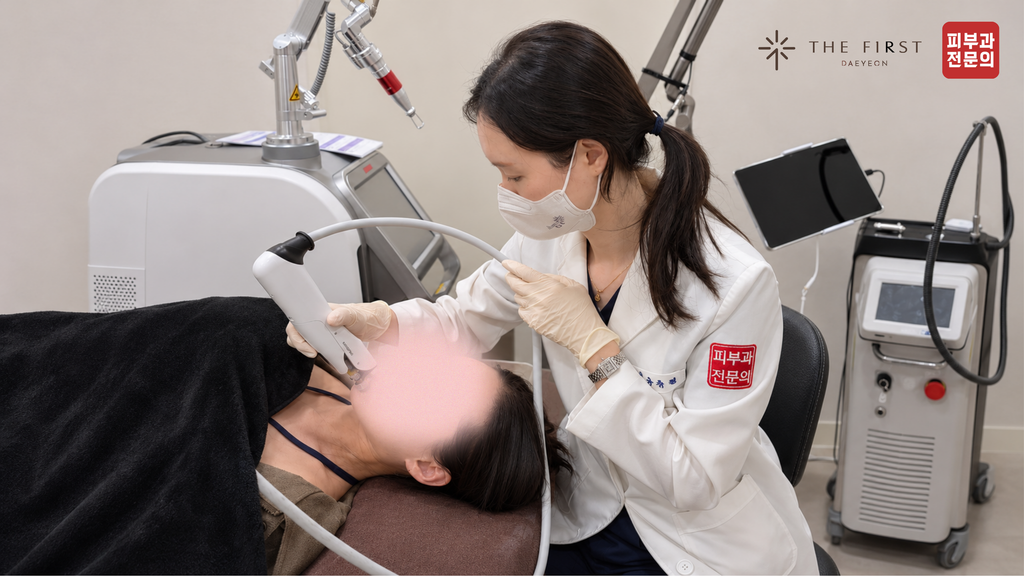
You can go. From registration, the consultation, the discussion, to lying down on the treatment bed, a Chinese translator will be with you throughout the process. The real difference isn’t whether there’s a translator or not, but where the translator is positioned and until which stage they accompany you.
1. The worst thing isn’t the pain—it’s not being able to speak up.
Those who have undergone cosmetic procedures abroad mostly remember the same scene: they’re already lying on the treatment bed, and the clinic director points in a certain direction, while you really want to say, “Don’t inject here.”
But those words got stuck in my throat—because I didn’t know how to say them in Korean, and I was afraid they wouldn’t be understood, causing more trouble. In the end, I just nodded and let it happen.
After returning home and looking in the mirror, that area felt strange—I just couldn’t pinpoint what was wrong.
II. In the medical aesthetics industry, translation is about ensuring safety, not just language
1. Dose, treatment area, and contraindications — not a single detail can be omitted.
When getting treatments at a medical aesthetics clinic in South Korea, there are several things you can’t rely on guesswork for: which layer to target, what dosage to use, which areas to avoid, whether you’ve had any allergies before, and what medications you’re currently taking.
If even one piece of information is missed, the clinic director has to fill in the gaps by guessing. It’s like asking someone to order food for you—just saying “not too spicy” means the kitchen can only guess where your tolerance lies.
So the purpose of translation isn’t to “help you understand,” but to ensure that doctors receive the correct information.
2. Three communication methods: the difference lies in the number of interruptions
Translation apps are instant but robotic—often turning one sentence into three paragraphs, by the time you reach the third paragraph the doctor has already started marking things down. The temporary interpreters hired by hospitals usually show up only during consultations; once you enter the treatment room, a different person takes over.
A translator dedicated solely to your clinic is available throughout the entire process. Instead of waiting until the whole segment is finished before guessing what was said, there’s someone sitting beside you to confirm each word. Not every Busan cosmetic clinic is willing to allow a translator to accompany patients into the treatment room.
If you want to say, “Let’s skip this area for now,” just mention it, and the clinic director will adjust it right away. Having that said makes you feel completely at ease about the whole thing.
III. Translation, the director, and the environment — all three must be in place together
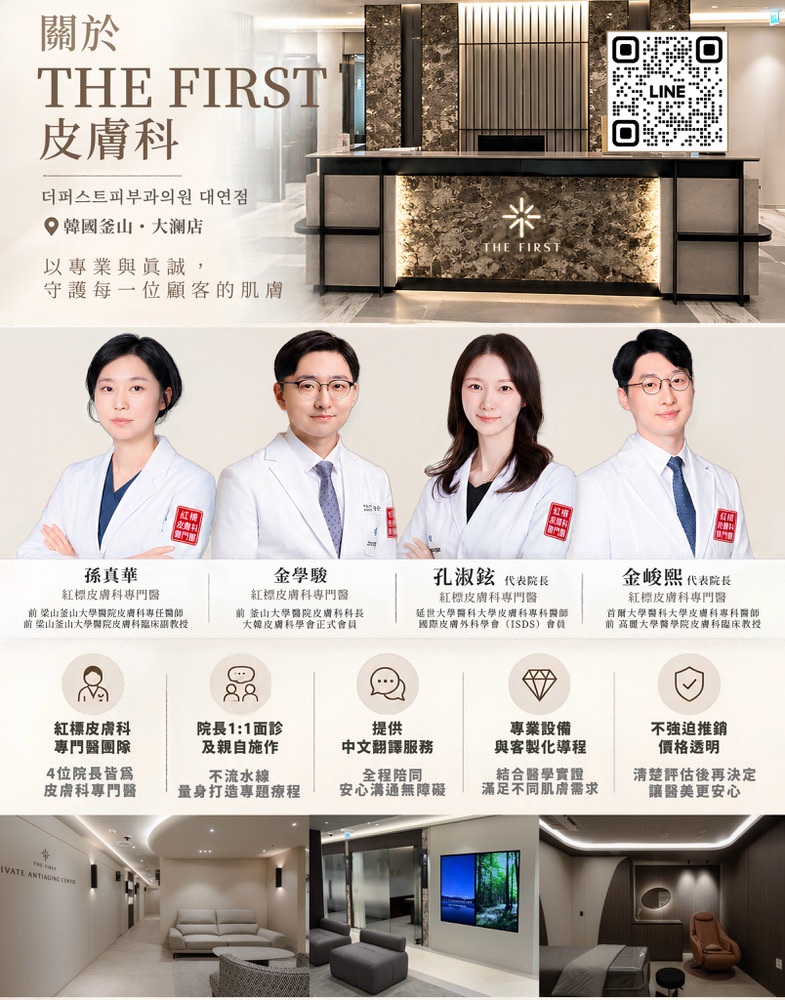
The First Busan Daewon Branch is a Dermatology clinic located just 2 minutes’ walk from Exit 6 of Gyeongsung University·Pukyong National University Station on Busan Metro Line 2. It is staffed by 4 certified dermatologists from South Korea who conduct personal consultations and treatments, with a Chinese translator available throughout the process.
All 4 doctors are board-certified specialists in Dermatology. They accompany you from the initial consultation right through to the procedure and post-operative follow-up. There’s no need to switch doctors at any point, so you won’t experience situations like “the previous doctor isn’t here anymore.”
The in-person consultation is conducted one-on-one by the clinic director. The director examines your skin condition, asks about your needs, and confirms your budget, while the interpreter stands by to explain each technical term in terms you can easily understand.
This “one-on-one” approach is a completely different experience from the clinic model where one doctor takes turns seeing ten patients at once, like in a tour group setting.
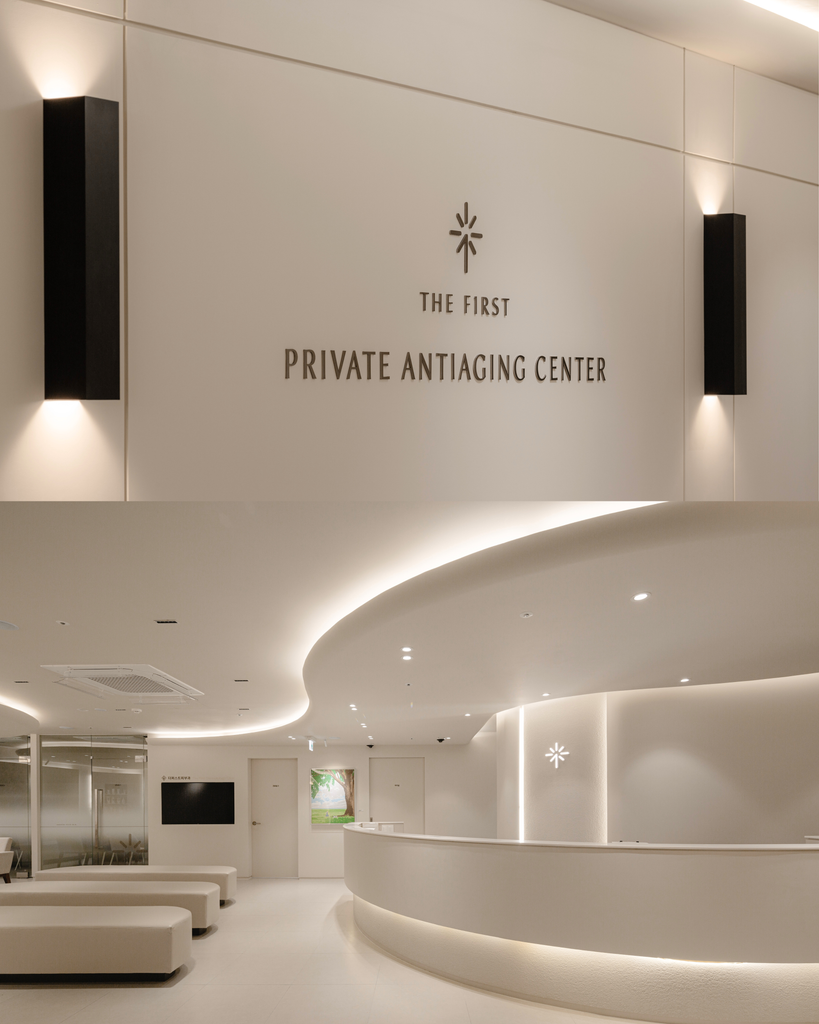
The environment also falls under this category. There aren’t many seats in the waiting area, and conversations can’t be heard clearly by those next to you. This is what many customers really care about—they don’t want to be seen by people they know, nor do they want strangers to know what they’re doing.
The clinic features a self-service makeup removal area, and pre-procedure photos and skin checks are also done on the same floor. From registration to discharge, there’s no need to walk back and forth. For someone who isn’t fluent in the local language, avoiding having to ask for directions means less stress.
IV. Treatment Regimens and Price Ranges
The figures below are for reference only; the actual amount will depend on the in-person consultation and the number of treatments, subject to the clinic’s latest quote.
| Direction | Flagship Products/Equipment | Range Reference (Including Tax) |
| hyaluronic acid injection | Rejuran PN | 2cc costs around 400,000 KRW, while 4cc costs around 730,000 KRW (performed personally by the clinic director). |
| Skin Glow Serum | Skinvive, Baorouti, Re2O | 2cc: 600,000–990,000 KRW |
| Wrinkle reduction | Botulinum Toxin (Single Site) | Starting from 100,000 KRW |
| filling | Juvederm, Restylane, Sculptra | 1 cc: 400,000–1.06 million KRW |
| Lifting | Shurink Universe Korean Version Ultrasound | 300–600 shots: 390,000–550,000 KRW |
Make sure to ask for the exact price. It’s recommended to inquire directly via LINE by mentioning the treatment you want and the number of days—this will get you a response faster than using the official website form.
V. Clinic Information and Booking Options
1. Location and operating hours
There are many Dermatology clinics in Busan, and this one is particularly convenient for tourists. It’s located at 299 Suyeong-ro, Nam-gu, Busan City. You can check in at the counter on the 9th floor. From Exit 6 of Gyeongsung University·Pukyong National University Station on Subway Line 2, just walk straight for 2–3 minutes.
| Date | Business hours |
| Monday–Thursday | 10:00–19:00 (lunch break 13:00–14:00) |
| Friday | 10:00–20:00 |
| Saturday | 09:00–14:00 (no lunch break) |
| Sunday | Closed for appointments |
2. How to Book an Appointment
| Pipes | Information |
| Official website booking page | thefirst-clinic.com |
| LINE | @064nhwpq |
| +82 10-8383-2985 |
A deposit of 20,000 KRW will be applied toward the total cost of the treatment upon arrival at the clinic.
VI. Frequently Asked Questions
Q1: Does translation require a separate appointment or an additional fee?
There’s no extra charge or need for special requests. Just mention that you need Chinese assistance when booking via LINE or the official website.
Q2: Is the translation done in-house by the clinic or outsourced?
It’s a Chinese translator provided by the clinic who stays with you throughout the entire process—from the consultation to the procedure—so there’s no change of translator midway.
Q3: Can I just get a consultation without having the procedure done on the same day?
Sure. The online form is for expressing interest, with a final decision made after an in-person consultation. The reservation fee will be fully credited upon arrival at the clinic; it will be refunded or retained depending on the clinic’s policy.
Q4: Is there a Chinese version of the post-surgery precautions?
Yes. Before discharge, the translator will explain everything in detail and provide care reminders in Chinese, which you can follow once you return home.
Q5: How can I get in touch if I encounter problems after returning to my home country?
Contact us via LINE @064nhwpq or WhatsApp, attaching photos and the date, and the clinic will arrange further instructions.
Q6: Can I pay using common methods in Taiwan?
Payment can be made by card or cash, and Alipay, WeChat Pay, UnionPay, and PayPal are also accepted.
Q7: If I don’t understand Korean, will registration be problematic?
No. Show your passport at the counter on the 9th floor upon check-in, and the interpreter will assist with the subsequent procedures, including makeup removal, photography, and testing.
VII. Recommendations from Shunyou
On the half day after completing the treatment, plan a more relaxed itinerary.
The Gyeongseong-da shopping district is just a short walk away, with plenty of cafes and snacks in the vicinity. If you want to shop at department stores, take the subway to Centum City — you can enjoy air conditioning while avoiding the sun. Save your beach activities for the next day, as that way your skin will feel more comfortable.
VIII. Postoperative Care
- Sun protection: Rely mainly on hats and umbrellas, and avoid direct sunlight at noon within a week after laser or hyaluronic acid treatments.
- Cleaning: Wash the area with clean water or a mild facial cleanser on the same day, avoiding vigorous rubbing.
- Moisturization: Focus on simple moisturizing ingredients and pause acids and exfoliants.
- High temperature: Skip saunas, hot springs, and baths; the duration depends on what the clinic director advises.
- Makeup: Light makeup can usually be applied the day after most treatments, though the exact time should be confirmed before leaving the clinic.
IX. Want to get medical beauty treatments in Busan even if you don’t speak Korean? The First Busan Daeyon Branch offers full-service accompaniment.
At its core, language is about fighting for a space where we can communicate properly.
If there’s only one thing you want to address, write it down and mention it directly during the in-person consultation. Keep the translation handy—this sentence is essential.
Getting better looking is something worth planning carefully—there’s no need to rush. Add @064nhwpq on LINE, ask all your questions first, and then decide whether to fly or not.